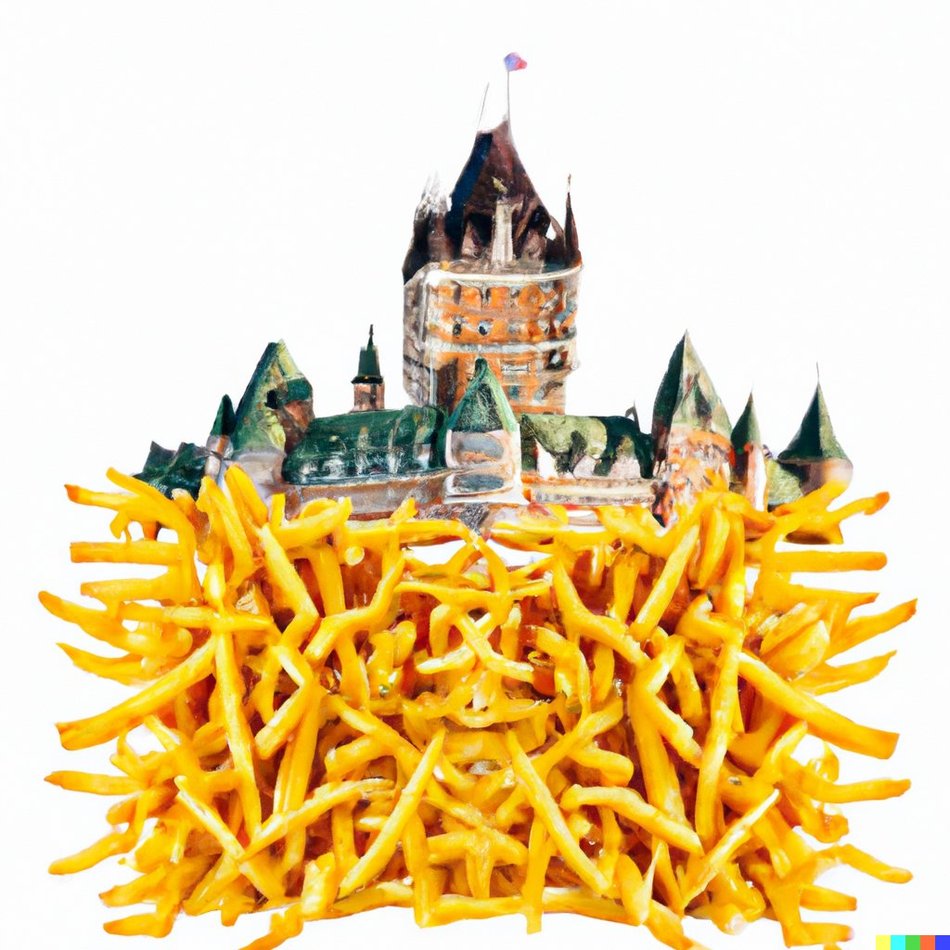
Poutine depends on three components: crisp fries, fresh cheese curds and hot brown gravy. The recipe is forgiving, but timing matters. Assemble it only when everything is ready, then serve immediately.
Where poutine came from
Poutine emerged in rural Quebec in the 1950s. Several restaurants and towns in the Centre-du-Québec region have competing origin stories, so claims naming one definitive inventor should be treated cautiously. What became standard was the combination of fries and cheese curds finished with hot gravy.
The dish later spread across Quebec and Canada, then into restaurants far beyond its snack-bar roots. Variations now use smoked meat, pulled pork, lobster and many other toppings, but the classic version remains the best test of the three essentials.
Classic poutine recipe
Serves: 4
Ingredients
- 900 g (2 lb) frozen French fries, or an equivalent batch of homemade fries
- 340 g (12 oz) fresh cheddar cheese curds, at room temperature
- 500 ml (2 cups) hot brown gravy
- Salt, to taste
Method
- Cook the fries until deeply golden and crisp, following the package directions or your preferred double-fry method.
- While the fries cook, heat the gravy until steaming. It must be hot enough to warm the curds.
- Season the fries lightly with salt and divide them among warm bowls or plates.
- Scatter the cheese curds evenly through the fries rather than leaving them all on top.
- Pour over enough hot gravy to coat the fries without drowning them.
- Serve at once, while the fries still have crisp edges and the curds remain springy.
Getting the texture right
Fresh curds soften in hot gravy but should not melt like shredded mozzarella. If the curds are refrigerator-cold, they cool the dish too quickly; let them lose their chill before assembly. Use sturdy fries and add the gravy at the final moment so the first bites stay crisp.
Useful substitutions
Chicken, beef or mixed brown gravy can work. A vegetarian mushroom or onion gravy is also suitable if it has enough savoury depth. Shredded cheese changes the texture substantially; if curds are unavailable, it may still taste good, but it will not behave like classic poutine.
Two ways to make better fries
For the simplest version, use a good frozen fry and cook it until deeply coloured rather than merely pale-gold. An air fryer works for a smaller batch; a conventional oven is easier when serving four people at once.
For homemade fries, soak cut potatoes in cold water, dry them thoroughly and cook them twice: once at a lower temperature to cook the interior, then at a higher temperature to crisp the outside. Moisture left on the potatoes can cause dangerous splattering in hot oil.
How to choose the gravy
The sauce should be savoury, pourable and hot. A gravy that is too thin runs to the bottom; one that is too thick sits on top and cools quickly. Taste before salting because packaged stock and curds can already contribute plenty of salt.
Chicken-and-beef blends are common, but there is no need to force one formula. Mushroom or onion gravy can make a satisfying vegetarian version when the stock and thickener are also vegetarian.
Assembly order matters
Use warm bowls, add a layer of fries, scatter some curds through the middle, then repeat before pouring the gravy. This distributes cheese instead of leaving a cold pile on top. Serve each portion as soon as it is assembled rather than waiting for every plate to be perfect.
Scaling and leftovers
For two people, halve every ingredient. For a crowd, cook fries in batches but keep them uncovered on a rack in a low oven so steam does not make them limp. Heat the gravy just before service.
Assembled poutine is a poor leftover because the fries absorb the sauce. Store extra fries, curds and gravy separately, then re-crisp the fries and reheat the gravy before building another plate.
Why the origin story stays cautious
Warwick and Drummondville are both central to well-known origin claims, and the exact inventor remains disputed. An outside account from Food & Wine also traces those competing stories. The responsible conclusion is that the dish emerged in Centre-du-Québec in the late 1950s—not that one neat anecdote has been proven beyond doubt.
If you would rather compare restaurant versions, start with our Quebec City poutine shortlist.
Discover more from Quebec City 101
Subscribe to get the latest posts sent to your email.