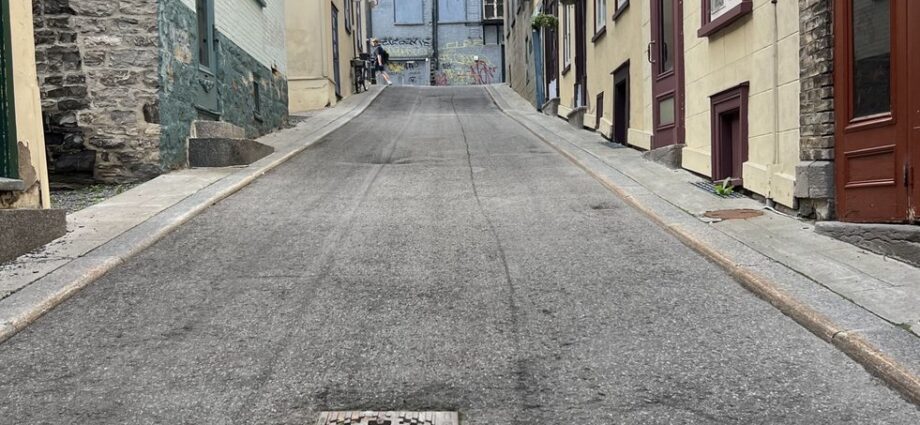
Car-free Quebec City living is possible in central neighborhoods when walking, RTC buses, àVélo and occasional car sharing line up with your commute and daily errands.
You can also make your life unnecessarily difficult by choosing the wrong neighborhood and then trying to prove a point.
The answer depends on where you live, where you work and what you do outside work.
Central neighborhoods are easiest
Saint-Roch, Saint-Jean-Baptiste, Montcalm, Old Quebec and parts of Limoilou give you the strongest chance of handling daily life on foot and by transit.
Groceries, restaurants, pharmacies and services are closer together, and frequent bus corridors are easier to reach.
A map may say work is three kilometres away.
That can mean an easy bus, a steep walk, two awkward transfers or a surprisingly unpleasant bike route.
Test the actual trip at the time of day you would make it.
RTC buses are the backbone
The Réseau de transport de la Capitale operates the city’s bus system.
If you are moving without a car, I would look at the exact routes from a potential apartment before signing a lease.
Frequency matters as much as whether a stop exists.
A commute that works perfectly at 8 a.m. may be much less convenient at 11 p.m.
If you work evenings, go out frequently or finish classes late, check the schedule for the hours you actually live.
àVélo changes warm-weather mobility
The city’s electric-assist bike-share system has expanded quickly.
That makes short trips and hills much easier during its operating season.
The electric assist is especially useful in a city where Lower Town and Upper Town are separated by real elevation.
Our bike-friendly Quebec City guide goes deeper.
A car-free lifestyle that feels effortless in September can feel very different during snow, ice and deep cold.
Sidewalk clearing, bus reliability, winter clothing and how far you are willing to carry groceries all become more important.
If you are serious about moving car-free, visit in winter before deciding.
You do not have to choose between “own a car” and “never use a car.”
Communauto, taxis, rideshare and short-term rentals can cover regional errands, furniture pickups or weekend trips.
That hybrid model makes car-free living much more realistic for some households.
Where a car becomes more useful
Outer neighborhoods, industrial employment areas and frequent travel outside the city increase the value of owning a vehicle.
If your job is in a poorly served business park and your apartment is in an outer district, ideology will not make the commute shorter.
Families can live car-free centrally, but school, daycare, activities and weekend transportation add complexity.
Map all of those regular trips—not just the adult commute.
Groceries are the simplest test
Stand at the exact address you are considering and ask: where do I buy food in February?
If the answer is a 25-minute walk with two heavy bags and no frequent bus, that matters more than the apartment’s Walk Score.
Add transit passes, occasional taxis, car-share fees and rentals before deciding that car-free automatically means cheaper. Then compare that total with payments, insurance, fuel, parking, registration, maintenance and winter tires. The result depends on how often you leave the central city, not only on the price of a bus pass.
The larger trade-offs become clearer in our guide to living in Quebec City, including French, housing, work and healthcare.
My take
Yes, Quebec City can be car-free.
The strongest setup is a central neighborhood, frequent transit, nearby groceries and occasional car sharing.
Before moving, test the real commute, the late-night commute and the winter version of both.
Use the official RTC site for current routes and schedules and àVélo for seasonal bike-share information.
Discover more from Quebec City 101
Subscribe to get the latest posts sent to your email.