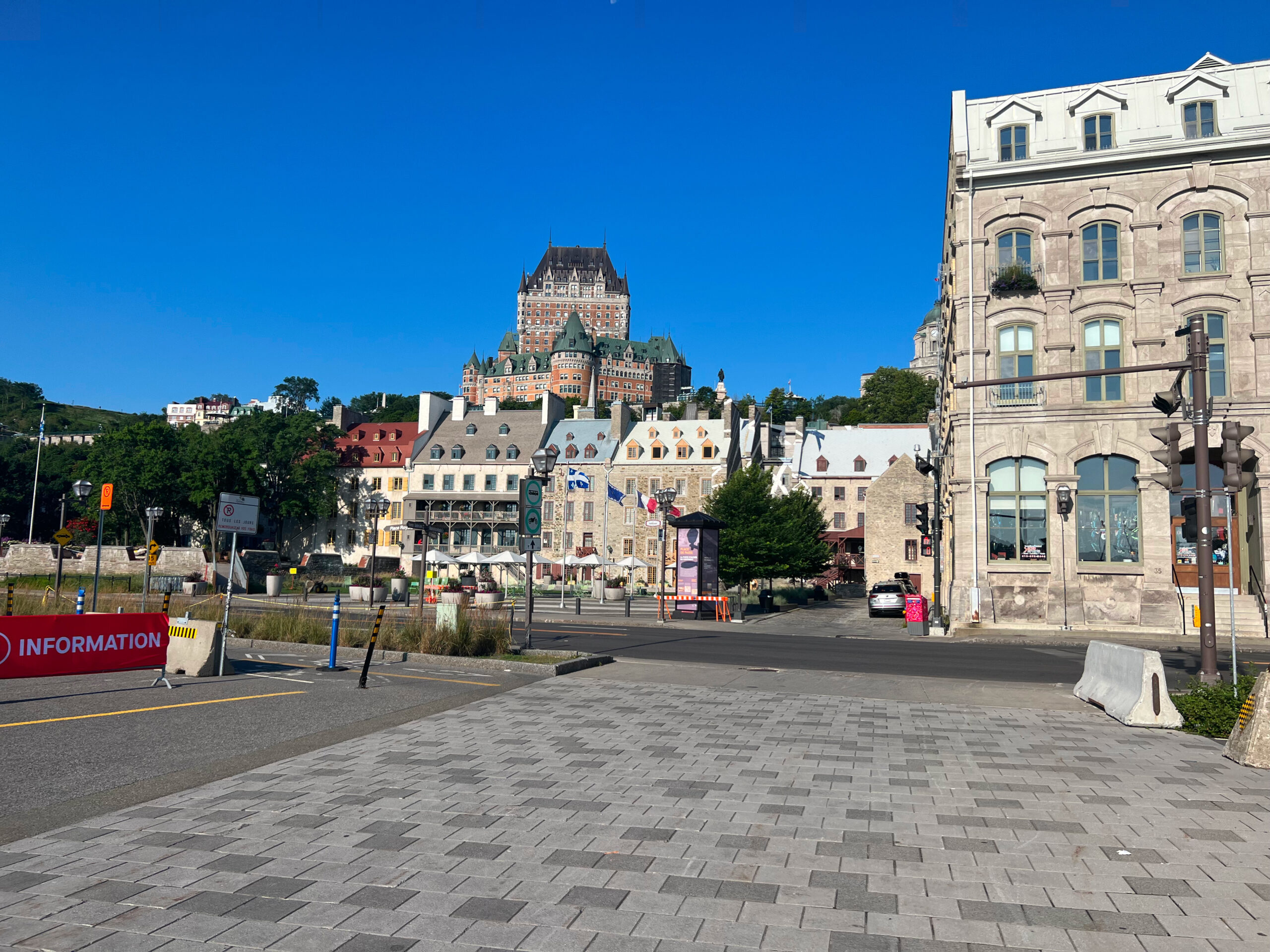
Living in Quebec City can be rewarding, but French, neighborhood choice, winter, transportation, healthcare and work all shape the experience.
Visitors experience Château Frontenac, restaurants and pretty streets. Residents experience French paperwork, snow removal, groceries, commuting, healthcare and whatever the weather is doing at 7:30 on a Tuesday morning.
That does not make the city less appealing. It makes the decision more real.
French is part of daily life
French is Quebec’s official language and the normal language of work, government and public life. Newcomers can review the province’s official French-learning services before they arrive.
You can navigate some situations in English, especially in tourism and parts of the professional economy.
If you plan to build a full life here, learning French dramatically improves work options and social integration.
Saint-Jean-Baptiste, Montcalm, Saint-Roch and Limoilou can support much more walking and transit.
Sainte-Foy, Charlesbourg, Beauport and other outer districts may give you more space, easier parking and different housing options.
There is no universal “best neighborhood.”
Old Quebec is not where most daily life happens
You may love staying inside the walls.
That does not mean you want to live beside tourist traffic, hotel activity and historic-building limitations every day.
Explore residential areas before choosing housing based on vacation atmosphere.
Snow affects parking, commuting and the amount of time simple tasks take.
You need real winter clothing, and drivers need to understand winter rules and conditions.
The city handles winter well, but winter still exists.
Yes, in the right neighborhood and with the right commute.
If work, groceries and frequent transit are close, car-free living can be realistic.
Other parts of the metropolitan area are much easier with a vehicle.
Use our car-free Quebec City guide for more detail.
Housing
Do not use citywide average housing numbers to choose one apartment.
Compare actual neighborhoods, building age, insulation, parking, storage, transit and winter maintenance.
Older charm can come with older-building compromises.
Government, healthcare, education, insurance, tourism and technology are important sectors.
Your experience depends on credentials, French level and whether your field is concentrated in Quebec City or more heavily in Montreal and Toronto.
Healthcare
Eligible residents use RAMQ, Quebec’s provincial health-insurance system. The RAMQ registration guide is the right place to confirm eligibility and required documents.
Newcomers need to understand registration, eligibility, possible waiting periods and how they will access prescriptions or ongoing care.
Coverage does not automatically mean immediate access to a family doctor.
Quebec taxes can feel high compared with some jurisdictions.
Compare the full household picture rather than one tax rate.
Childcare, public services, insurance and education can change the economics significantly depending on your situation.
YQB is easy to use and much smaller than a mega-hub.
The trade-off is fewer nonstop routes.
If your work requires frequent international flying, connections can become part of life.
Social life
Moving anywhere as an adult can be isolating.
French ability, hobbies, neighborhood choice and willingness to participate locally all affect how quickly the city feels like home.
If possible, spend time here outside peak tourism season.
Visit in winter.
Shop for groceries, take transit, walk a potential commute and look at residential streets after dark.
A hotel weekend is a bad simulation of relocation.
Build a trial day around the address you are considering: morning commute, groceries, pharmacy, transit after dinner and the walk home in poor weather. Those ordinary errands reveal more than another afternoon inside the walls.
Transportation is easier to judge when you compare this overview with our current guide to cycling in Quebec City.
My take
Quebec City can be an excellent fit for somebody who values French culture, a smaller metropolitan scale, real winter and easy access to nature.
It is less ideal if you want endless big-city options, hate cold or expect to live entirely in English without friction.
Know which version of yourself is moving—not the version that was on vacation.
Discover more from Quebec City 101
Subscribe to get the latest posts sent to your email.