Archive notice: Rembrandt: Etchings from the Museum Boijmans Van Beuningen ran at the Musée national des beaux-arts du Québec from April 25 to September 2, 2024. It was a temporary exhibition and is no longer on view.
What the MNBAQ exhibition presented
The show brought together etchings from Museum Boijmans Van Beuningen in Rotterdam. It placed Rembrandt van Rijn’s prints at the centre of a broader story about his influences, workshop, collaborators and artistic legacy. Rather than treating printmaking as a side note to the famous paintings, the exhibition presented it as a major part of how Rembrandt experimented and built his reputation.
The official MNBAQ exhibition directory confirms the title, lender and 2024 dates. The museum’s directory preserves exhibitions shown since its opening in 1933, making it the best current source for readers trying to identify a past show.
Why Rembrandt’s etchings matter
Etching is an intaglio process: an artist draws through a protective ground on a metal plate, acid bites the exposed lines, and ink held in those recessed marks transfers to paper under pressure. Rembrandt used that basic process with unusual freedom. Changes in line, drypoint, inking and wiping could alter light, shadow and texture from one impression to another.
That variability helps explain why an exhibition of prints can be more revealing than a checklist of repeated images suggests. Different states and impressions let viewers look closely at decisions made on the plate and during printing. Faces, fabric, interiors and deep shadows can feel remarkably immediate even at a small scale.
Prints also reward a slower kind of looking than large paintings often receive in a crowded gallery. The image may be physically small, but the fine marks make viewers move closer and notice the direction of a line, the density of a shadow and the way untouched paper creates light. Because prints circulate in multiple impressions, museums can compare versions while still treating each sheet as an object with its own paper, ink and printing history. That combination of technical repetition and visible variation is one reason Rembrandt’s etchings remain valuable for both specialists and visitors encountering his work for the first time.
Beyond Rembrandt himself
The MNBAQ presentation also included artists who influenced Rembrandt, people associated with his workshop and later printings. Quebec works connected the Dutch Golden Age material to a local collecting and art-historical context. Together, those sections showed how techniques and images travel across artists, places and generations.
What the photograph records
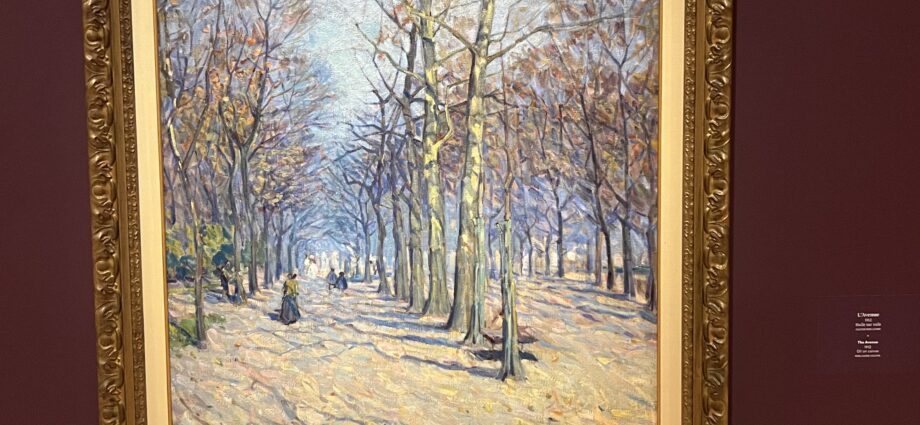
The original photograph on this page was taken during the exhibition. It remains useful as a first-hand record of a display that visitors cannot now see, but it should not be read as evidence that the show is still open. Temporary works-on-paper exhibitions change regularly, and older search results can easily create the wrong impression about what is currently available.
Planning a current museum visit
Check the official MNBAQ exhibitions page for the present program, dates and ticket details. Our MNBAQ visitor guide explains the museum and its setting, while our roundup of the best museums in Quebec City helps compare it with other options.
This page is intentionally kept as a dated archive. Its value is historical: it identifies the exhibition accurately, preserves the firsthand image and points readers to the live museum calendar instead of implying that a 2024 event is still running.
Discover more from Quebec City 101
Subscribe to get the latest posts sent to your email.