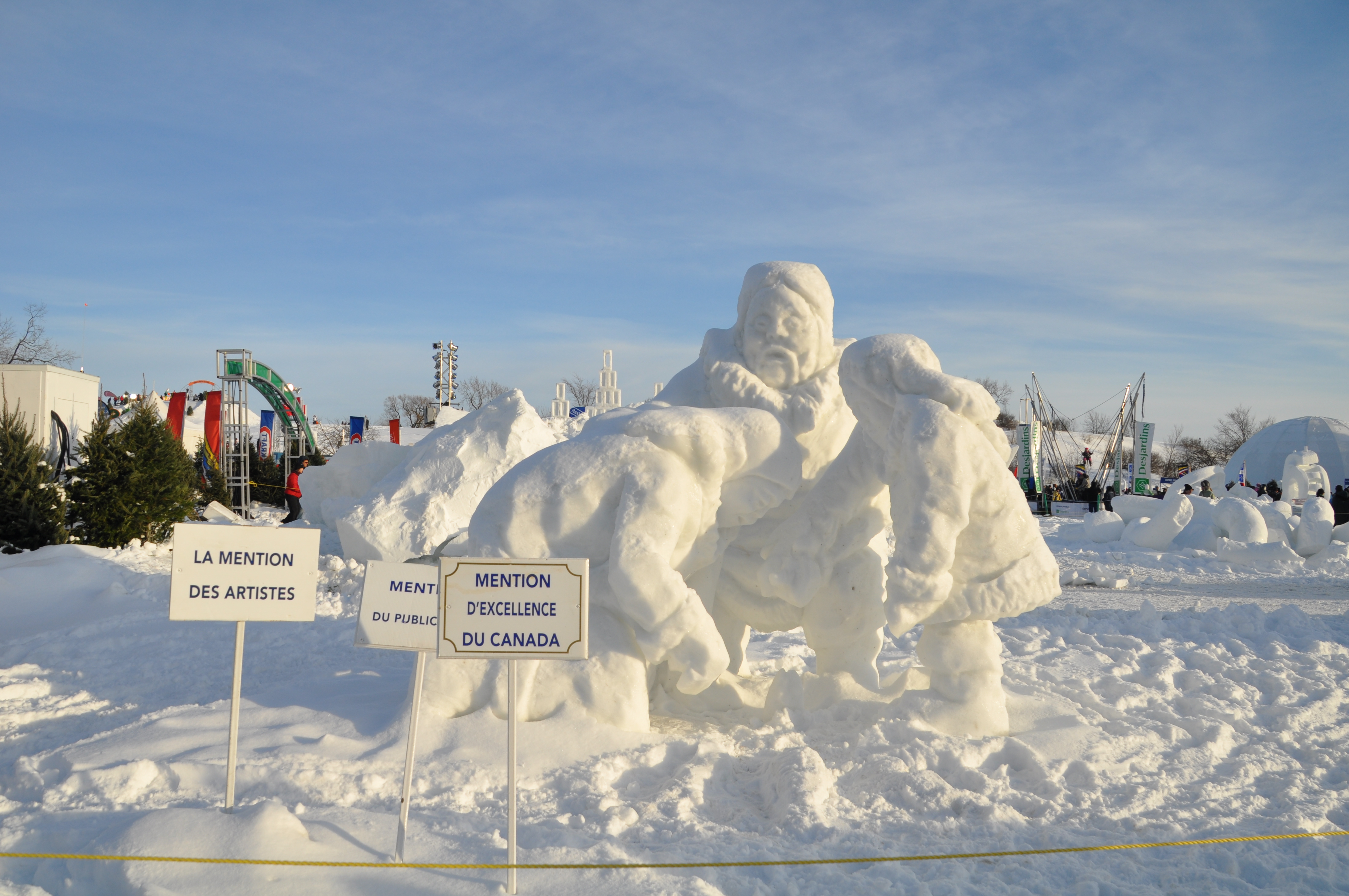
Why is Quebec City so cold in winter? Latitude, a continental climate, Arctic air, snow cover and wind all push conditions in the same direction.
The answer is not “because the St. Lawrence freezes.”
The river is part of the local weather picture, but the larger climate explains much more.
Quebec City has a continental climate
Land heats and cools much faster than the ocean.
Quebec City sits deep enough inside the continent that it does not get the same strong ocean moderation as coastal cities.
When a cold air mass settles in, there is nothing nearby functioning like a giant warm Atlantic thermostat.
Quebec City sits around 47 degrees north.
That is not Arctic, but winter sun is low, daylight is short and the seasonal energy balance strongly favors cold conditions.
Arctic air can move south
Cold air masses regularly move down from northern Canada.
When those outbreaks reach southern Quebec, temperatures can fall quickly and stay low for days.
January and February are the periods most visitors associate with the deepest cold.
Fresh snow reflects a large share of incoming sunlight.
That limits daytime warming and helps keep the surface cold even on bright winter days.
A sunny February afternoon can look warm through the hotel window and feel completely different outside.
Wind chill changes the experience
Air temperature and how cold it feels on exposed skin are not the same thing.
Wind removes heat from the body faster. Environment and Climate Change Canada explains how to use the wind chill index to judge the risk to exposed skin.
Quebec City’s open riverfront and exposed spaces can make a manageable thermometer reading feel brutal.
The river-facing boardwalk is exposed.
You can leave a sheltered street feeling fine and immediately understand wind chill once you reach the terrace.
This is why I keep telling visitors to carry one more layer.
The river influences local conditions, moisture and wind.
It is not the main cause of Quebec City’s winter climate.
River ice is largely a consequence of sustained winter cold, not the reason the city became cold in the first place.
Why is there so much snow?
Cold temperatures create the conditions for snow to remain on the ground for long periods.
Storm tracks and moisture provide repeated snowfall through the winter.
The result is not just occasional snowstorms but persistent snow cover.
No.
Winter is operationally normal here.
Snow removal, winter tires, insulated buildings and seasonal routines are built into daily life.
Visitors experience winter differently from residents
A tourist can choose to spend 20 minutes outside and then warm up in a café.
A resident still has to commute, shop and clear snow.
That is why one beautiful snowy weekend does not fully explain what living through the season feels like.
Layer.
Use warm boots, gloves, a hat and something that protects the neck and face in deep cold.
Waterproof footwear matters when temperatures rise and snow turns to slush.
Check the official forecast shortly before each outing rather than packing from a monthly average. A calm afternoon and a windy evening beside the river can require very different layers, even when the reported air temperature barely changes.
If winter is part of the reason you are visiting, our Quebec Winter Carnival guide shows how the city turns those conditions into an event rather than simply enduring them.
My take
The cold is part of Quebec City’s identity because the city actually uses winter instead of simply hiding from it.
Skating, skiing, Carnival and snow-covered Old Quebec all depend on the same climate that makes your face hurt on a windy January night.
Prepare for it and winter becomes part of the trip instead of the thing ruining it.
For ideas that work across seasons, start with our first-trip guide to things to do in Quebec City.
Discover more from Quebec City 101
Subscribe to get the latest posts sent to your email.