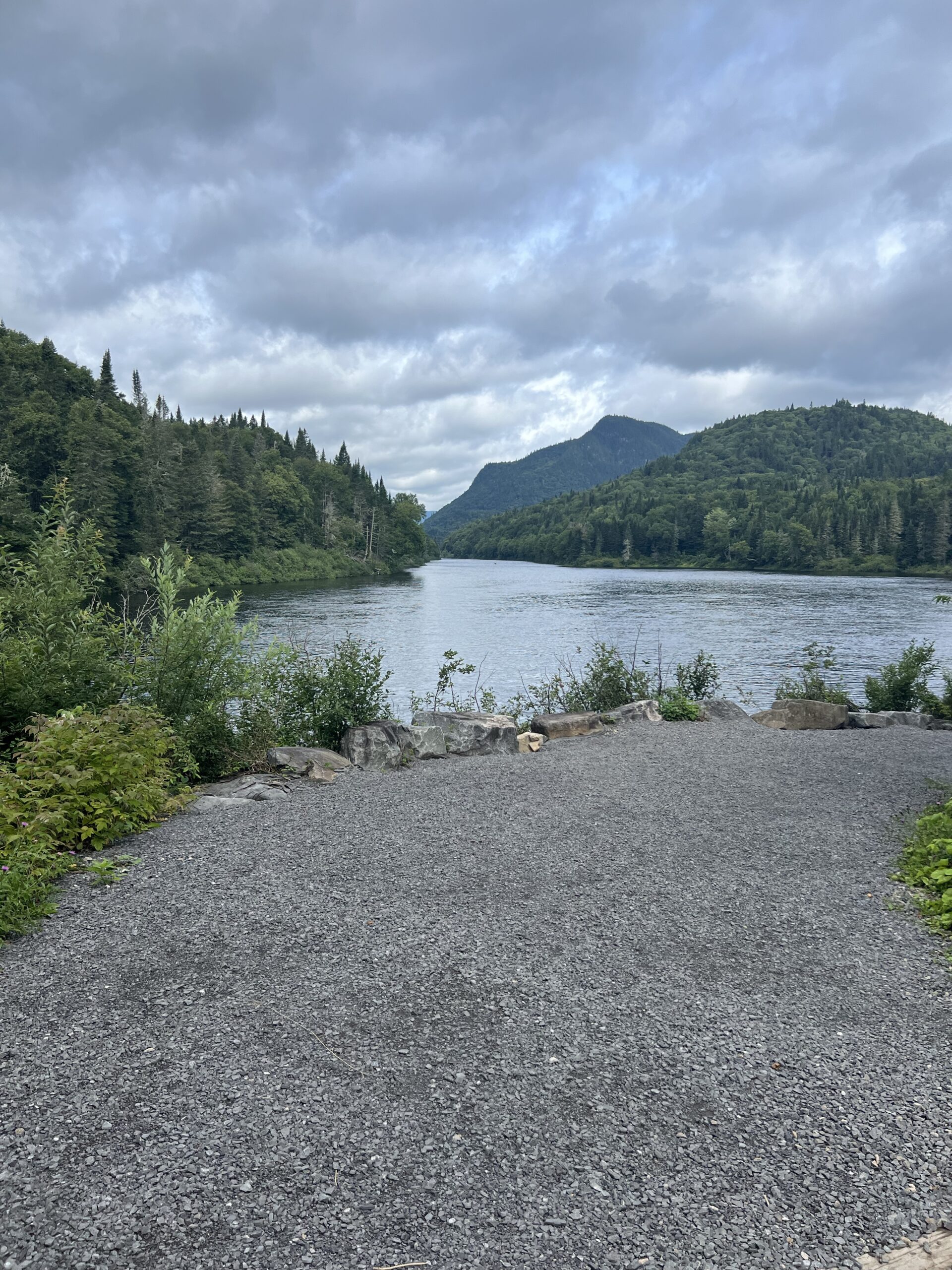
Jacques-Cartier National Park protects a dramatic glacial valley north of Quebec City. The Jacques-Cartier River runs between steep forested slopes, creating a landscape suited to hiking, paddling, wildlife watching and winter travel.
Conditions, access, rentals and trail openings change by season. Check the official Sépaq park page before departure.
What to do
Hiking
The park offers routes with different lengths and levels of difficulty, from shorter valley walks to sustained climbs with higher viewpoints. Choose from the current official trail list rather than relying on an old “best hikes” ranking; closures and conditions can change.
Paddling
In the warmer season, the river is central to the park experience. Canoe, kayak and other rental options may be available, subject to water conditions and operating dates. Reserve ahead when the park recommends it.
Winter activities
Snow changes both access and equipment needs. Snowshoeing, winter hiking and skiing may be offered on designated routes. Confirm which sectors and services are open, and carry traction or winter gear appropriate to the current forecast.
Day trip or overnight?
A day trip works if your priority is one hike, a paddle or a scenic introduction to the valley. Staying overnight gives more flexibility and reduces the pressure to drive back after a long outing. Camping and roofed accommodations are seasonal and often require reservations.
What to bring
- water and food appropriate to the length of your outing;
- layers and rain protection, even when the city forecast looks mild;
- sturdy footwear and season-specific traction;
- offline or printed trail information;
- sun and insect protection in warm weather; and
- a plan that matches daylight, ability and current conditions.
Transportation and timing
The park is outside central Quebec City and is easiest to reach by car. Do not assume urban transit serves the trailhead you want. Confirm the entrance, parking, travel time and any reservation or daily-access requirements before leaving.
Choose one main objective
A successful day trip is easier when you pick one anchor activity. Hikers should choose a trail that matches the slowest member of the group and leave time for viewpoints and breaks. Paddlers should build the day around the rental or launch window. Families may get more from a shorter river-level outing than from chasing a summit.
Do not combine the longest hike you can manage with a late paddle reservation. The park’s scale, parking, equipment pickup and changing weather create delays that are not obvious when planning from downtown.
Reservations, fees and access
Park access, accommodations and some equipment or activities can require advance booking. Requirements vary by date and capacity, so use Sépaq rather than an old blog or screenshot. Save the confirmation offline and verify which entrance or service centre applies to your plan.
Arrive with enough fuel for the round trip and do not assume every service available in Quebec City will be available inside the park. Cellular coverage may be limited in parts of the valley.
Season-by-season planning
Summer
Longer daylight supports hiking and paddling, but heat, thunderstorms and insects remain considerations. Start sustained climbs early, carry more water than you expect to need and check whether swimming or water access is permitted where you plan to stop.
Autumn
Fall colour attracts heavy demand, especially on weekends. Parking and reservations may fill, while daylight and temperatures decline quickly. Avoid promising yourself a specific “peak” date; colour and weather vary from year to year.
Winter
Snow can make familiar distances slower. Select an officially open winter route, know whether snowshoes or traction are appropriate and carry insulation for stops. A phone battery also drains faster in cold weather, so keep it protected.
Spring
Thaw, mud, snowmelt and seasonal closures can limit options. Spring is not simply summer with fewer visitors. Consult current trail and road conditions immediately before departure.
Paddling safety
River conditions determine what is reasonable. Wear the required flotation equipment, follow rental instructions and keep valuables protected from water. Cold water can be dangerous even on a warm day. If wind, current or a staff advisory conflicts with your plan, change the plan.
Wildlife and food
Observe animals from a distance and never feed them. Store food and waste as directed; a casual picnic can attract wildlife if scraps or scented items are left accessible. Photograph with zoom instead of approaching for a closer frame.
Family and mobility considerations
Trail descriptions should be read for surface, elevation and distance, not only a difficulty label. A route described as easy may still include roots, rocks or uneven ground. Families should bring extra food, layers and a turnaround time. Travellers with mobility needs should contact the park about current accessible facilities and routes rather than assuming a general park map answers the question.
A weather decision rule
Check the park forecast and official conditions again on the morning of departure. If rain, wind, heat, cold or visibility makes the main objective inappropriate, switch to a shorter valley route instead of forcing the original plan. Tell someone your destination and expected return time when heading onto a longer trail, and turn around early enough to finish in daylight.
Responsible visit
Stay on marked routes, carry out waste, keep a safe distance from wildlife and follow park instructions around fires, pets and water access. Conditions in a mountain valley can change faster than they do downtown.
For another major natural sight near the city, compare our Montmorency Falls guide. If you are choosing between a nature day and more city time, see how long a Quebec City visit needs.
Discover more from Quebec City 101
Subscribe to get the latest posts sent to your email.